What Does the Check Engine Light Mean?
A check engine light means the vehicle's computer detected a problem in the engine or emissions system. The warning alone doesn't identify the failed part, so read the stored code and judge urgency by whether the light is steady or flashing.
On this page (8 sections)
- What does the check engine light mean?
- Does a steady or flashing check engine light change what you should do?
- Can an OBD2 code tell you exactly what's wrong?
- What should you do after the light comes on?
- Which scanner can help you investigate the warning?
- Why might the check engine light turn off by itself?
- Should you clear the code after reading it?
- What does the check engine light mean for your next step?
A check engine light means the vehicle's computer detected a problem in the engine or emissions system. The warning itself doesn't identify the failed part, so read the diagnostic trouble code and consider whether the light is steady or flashing.
A steady warning calls for diagnosis soon. A flashing light can signal a more urgent problem, especially if the engine shakes, loses power, or runs roughly.
What does the check engine light mean?
It means the vehicle detected a fault and stored, or is tracking, a diagnostic trouble code. The cause may be a small emissions issue or a problem that affects how the engine runs.
The light is a warning to investigate, not a diagnosis. A code points toward a system or condition; it doesn't prove that one specific part has failed.
If the warning comes on after refueling, check that the fuel cap is secure if your car has one. A loose cap can affect the emissions system, but don't assume it's the cause if the light stays on or the car shows other symptoms.
Does a steady or flashing check engine light change what you should do?
Yes. A flashing light needs more urgent attention than a steady one.
A flashing warning can indicate a severe misfire, which may damage the catalytic converter.
If it flashes, ease off the accelerator and pull over when safe. Follow the vehicle's manual and arrange diagnosis or assistance, especially if the engine shakes, smells unusual, or loses power.
A steady light with normal vehicle behavior is usually less urgent, but don't ignore it for weeks. See whether you can drive with the check engine light on for guidance based on the warning and symptoms.
If the car overheats, stalls, makes unusual noises, or has another serious warning, stop when it's safe regardless of whether the check engine light is steady.
Can an OBD2 code tell you exactly what's wrong?
An OBD2 code narrows down the system or condition that needs attention; it doesn't always identify the failed part. The code is one clue to combine with symptoms and further checks.
For example, a code about an oxygen sensor circuit doesn't automatically mean the sensor itself is bad. Wiring, a connector, an exhaust leak, or another fault could contribute to the same code.
A code reader can retrieve basic engine and emissions codes on compatible vehicles. Follow the tool's instructions and note the exact code before clearing anything.
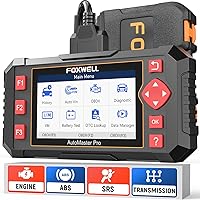
The Foxwell NT301 Code Reader has a 2.8 in color screen, live data graphing, and I/M readiness checks. It supports OBDII protocols and most 1996 and newer gasoline cars, light trucks, and SUVs sold in the US; confirm compatibility for your vehicle.
Skip it if you need diagnostics for ABS, airbag, or other non-engine systems. For help interpreting the result, see how to read OBD2 codes from your car.
What should you do after the light comes on?
Note how the car behaves, read the code, and keep a record before clearing anything. This gives you more useful information for diagnosis than simply switching the warning off.
- Check whether the light is steady or flashing.
- Notice changes such as rough running, low power, or overheating.
- Read and write down the code and any available freeze frame data.
- Check your owner's manual and arrange repair based on the code and symptoms.
Freeze frame data captures vehicle conditions recorded around the time a fault was detected. A scanner that can display it may help you understand what was happening; learn what freeze frame data is.
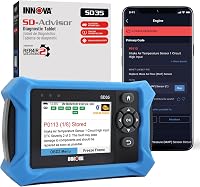
The Innova 5210 Code Reader also includes a battery tester and an oil reset feature. Its ABS code coverage varies by vehicle, so verify your make, model, and year before relying on that function.
A code reader with a screen may suit you if you prefer to read results at the car. Don't clear codes before recording them, since clearing can reset emissions readiness monitors.
Which scanner can help you investigate the warning?
Choose a scanner that reads the systems and data you need for your vehicle. Basic code readers focus on engine codes, while some tools offer added systems or phone-based reports.
The BlueDriver Bluetooth OBD2 Scanner connects to an iOS or Android phone or tablet over Bluetooth. It offers enhanced diagnostics for systems such as ABS, SRS, TPMS, and transmission on supported vehicles; check compatibility for your exact vehicle.
Choose it if you want phone-based reports and broader diagnostics than basic engine code reading. Compare its approach with other options in our plain guide to car diagnostic tools.
Why might the check engine light turn off by itself?
The light may turn off if the computer no longer detects the fault for a required period or drive cycle. That doesn't guarantee the underlying issue is gone.
The code may remain stored or appear as pending, even after the warning goes out. Check the code history if the light returns or the vehicle has symptoms.
Don't treat a light that turns off as proof of a repair. Record any code and monitor the car, then arrange diagnosis if the warning comes back.
Should you clear the code after reading it?
Clear a code only after you've recorded it and addressed the cause. Erasing it doesn't fix the problem, and the warning may return if the fault remains.
After a code clear or battery disconnect, emissions readiness monitors can reset and need a drive cycle to repopulate. That may affect whether the car is ready for an inspection.
If you have a repair completed, a scanner can help you check whether the warning returns. Follow the repair instructions and your vehicle's manual before clearing codes.
What does the check engine light mean for your next step?
When you ask what the check engine light means, start with the light's behavior and the car's symptoms, then read the code to narrow down the cause. Treat a flashing warning or serious drivability problem as urgent; arrange a timely diagnosis for a steady light.
Choose the Foxwell NT301 Code Reader for on-tool engine code reading and live data, the Innova 5210 Code Reader for added battery testing, or the BlueDriver Bluetooth OBD2 Scanner for phone-based reports and broader supported systems. Use pending versus stored codes to understand what a scanner's code status means.
Frequently asked questions
What does a check engine light usually mean?
It means the vehicle's computer detected a fault in an engine or emissions related system. The light doesn't name the failed part by itself.
Read the diagnostic trouble code, then use the code and the vehicle's symptoms to decide what to inspect or have diagnosed.
Is a steady check engine light an emergency?
A steady light alone usually allows time to arrange a diagnosis, but it still needs attention. Reduce driving and stop if the car runs roughly, loses power, overheats, or shows another serious warning.
Check your owner's manual for vehicle-specific instructions.
What does a flashing check engine light mean?
A flashing check engine light can signal a severe misfire that may damage the catalytic converter. Ease off the throttle and stop driving when it's safe; arrange help or follow the owner's manual.
Don't keep driving just to see if the warning goes away.
Can I clear the check engine light without fixing the problem?
A scanner may clear stored codes, but clearing the warning doesn't repair the fault. If the condition remains, the light or code may return, and readiness monitors can reset after a code clear.
Diagnose and address the cause before clearing codes.