Can I Drive With the Check Engine Light On?
You can often drive a short distance with a steady check engine light if the car feels normal, but a flashing light or serious symptoms mean you should pull over safely and stop. Check your owner’s manual and arrange a diagnosis.
On this page (8 sections)
- Can you drive with the check engine light on?
- What should you do when the light comes on?
- What symptoms mean you should stop driving?
- Can you drive to a mechanic with the light on?
- Can an OBD2 scanner help you decide?
- Should you clear the check engine light and keep driving?
- How long can you drive with the check engine light on?
- How do you decide whether to drive?
You can often drive a short distance with a steady check engine light if the car feels normal, but a flashing light or serious symptoms mean you should pull over safely and stop. Check your owner’s manual and arrange a diagnosis as soon as you can.
A steady light does not identify how serious the fault is. The safest choice depends on how the engine runs, whether other warnings appear, and what your vehicle’s manual says.
Can you drive with the check engine light on?
A steady check engine light may allow a short, gentle trip if the car behaves normally. Avoid a long journey, heavy loads, hard acceleration, or towing until you know what triggered it.
If the light is flashing, pull over safely and stop the engine. Do the same if the car shakes, loses power, overheats, produces smoke, or gives off a strong fuel smell.
A check engine light can point to issues with emissions or engine controls, among other possible causes. The light alone cannot tell you whether a fault is minor or urgent; see what the check engine light means for a closer look.
What should you do when the light comes on?
Notice whether the light is steady or flashing, then pay attention to how the car feels. Check for other warning lights and follow any instruction in the owner’s manual.
If the light is steady and there are no unusual symptoms, reduce speed and drive gently only as far as needed to reach a safe place or nearby repair shop. Arrange a diagnosis promptly rather than using the light as a reason to keep driving as usual.
If it flashes or the car runs poorly, find a safe place to stop. Turn off the engine and call for roadside help if you’re unsure whether the vehicle can be moved safely.
Should you check the gas cap?
If your car has a gas cap, check that it’s fitted and tightened as your manual directs. A loose cap can trigger the check engine light on some vehicles, but tightening it won’t tell you whether another fault is present.
If the light stays on or returns, read the codes and have the cause checked. Don’t keep driving for days on the assumption that the cap was the only issue.
What symptoms mean you should stop driving?
Stop as soon as it’s safe if the light flashes or the car develops serious symptoms. A flashing light can indicate a fault that risks damage, particularly when the engine is misfiring.
Stop and seek help if you notice:
- A shaking or rough-running engine
- A sudden loss of power
- Rising engine temperature or an overheating warning
- Smoke, a burning smell, or a strong fuel smell
- Loud knocking or unusual mechanical noise
- A flashing check engine light
Move out of traffic and into a safe location before switching off the engine. If there’s smoke or a fire risk, move away from the vehicle and contact emergency services.
Can you drive to a mechanic with the light on?
A nearby repair shop may be reachable with a steady light if the car runs normally. Keep the drive short and gentle, and stop if the light begins flashing or symptoms appear.
When in doubt, call the shop or roadside assistance and describe the light and symptoms before moving the car. A tow is safer if the engine runs roughly, overheats, or loses power.
Tell the mechanic whether the light was steady or flashing and when it appeared. That context can help them diagnose the problem.
Can an OBD2 scanner help you decide?
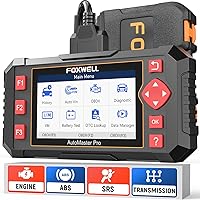
An OBD2 scanner can read a trouble code to help identify where to start, but it can’t certify that the car is safe to drive. Record the code before anyone clears it, and weigh it alongside the symptoms and manual.
The guide to reading OBD2 codes explains how to interpret a code as a clue rather than a complete diagnosis. Some scanners also show freeze-frame data, a snapshot of conditions when a code was set; learn what freeze-frame data is.
A scanner makes sense if you want to read the code at home before calling a shop. Choose one that matches your phone or vehicle needs, and confirm compatibility for your exact car.
A code reader can help you report useful information to a mechanic, but a code does not prove which part has failed. Don’t clear it before recording the code and any available freeze-frame details.
Should you clear the check engine light and keep driving?
No, clearing the light does not repair the fault or show that the car is safe. Record the code first and have the cause addressed before clearing it.
Clearing codes can also reset emissions readiness monitors. The vehicle may need a complete drive cycle before those monitors report readiness again, so clearing a code right before an inspection can create another delay.
If you’re considering a scanner for this step, see how to clear the check engine light with a scanner. Use the scanner’s instructions and your vehicle manual.
How long can you drive with the check engine light on?
There’s no safe mileage or time limit that applies to every car. A steady light with normal operation may allow a short trip, but continuing to drive can worsen some problems.
Avoid using the vehicle for a long commute or road trip until you know the cause. If the light flashes or the car changes how it runs, stop safely and arrange help.
For a code that remains after a repair, ask the shop whether the repair is complete and whether the code should be cleared. Don’t treat a light that went out on its own as proof that the fault is gone.
How do you decide whether to drive?
With a steady light and normal operation, drive gently only as far as needed to reach a safe place or nearby repair shop, then arrange a diagnosis. With a flashing light or serious symptoms, stop safely and seek roadside help.
Read the code if you can do so without delaying a needed stop. Keep the code and symptoms for the mechanic, and use the car diagnostic tools buying guide if you want help choosing a scanner for future checks.
Frequently asked questions
Is it safe to drive with a steady check engine light?
A steady light may allow a short, gentle trip if the car runs normally, but it still needs prompt diagnosis. Avoid hard acceleration and long trips, and stop if the engine runs roughly, loses power, overheats, or shows another warning.
Check your owner’s manual for vehicle-specific instructions.
What should I do if the check engine light is flashing?
Pull over somewhere safe and turn off the engine if the check engine light is flashing. A flashing light can signal a problem that may quickly damage the vehicle, especially if the engine is misfiring.
Arrange roadside help or a tow if the light continues or the car runs poorly.
Can I drive to a repair shop with the check engine light on?
If the light is steady and the car feels normal, a short, gentle drive to a nearby repair shop may be reasonable. If the light flashes or you notice rough running, overheating, smoke, a strong fuel smell, or reduced power, stop safely and arrange a tow.
Will reading a code tell me if I can keep driving?
A code reader can show a trouble code, but the code alone may not tell you whether the car is safe to drive. Use it as a starting point, consider the symptoms and warning lights, and get the cause checked.
Don't clear the code before recording it.